
Regular Registration ends on 7th October, 2026.
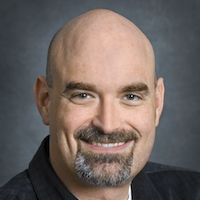
Title:Division Director, Biological Systems and Engineering Division at Lawrence Berkeley National Laboratory Berkeley, CA
About: Dr. Simmons is the Director of the Biological Systems and Engineering Division at Lawrence Berkeley National Laboratory (biosciences.lbl.gov). He also serves as the Chief Science and Technology Officer and Vice-President of the Deconstruction Division at the Joint BioEnergy Institute (www.jbei.org), a DOE Office of Science funded project tasked with the development and realization of advanced biofuels and bioproducts produced from sustainable, non-food lignocellulosic biomass. After spending 15 years at Sandia National Laboratories, he joined Lawrence Berkeley National Laboratory. He has over 400 publications and holds more than 50 patents.
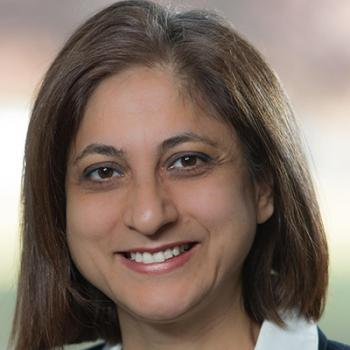
Title:Director for Resource Recovery and Separations. Department in Argonne National Laboratory’s Applied Materials Division, USA
About:Meltem Urgun-Demirtas is the Director for Resource Recovery and Separations. Department in Argonne National Laboratory’s Applied Materials Division. The department focuses on re-engineering of plant flow diagram to develop innovative technologies for industrial applications as well as development and application of intensified reactor and separation technologies for bioenergy and bioproducts production, water treatment, and manufacturing. She is also a Fellow at the Northwestern and Argonne Institute of Science and Engineering (NAISE).
Urgun-Demirtas has over 25 years of experience in the design and operation of chemical and bioprocesses, development and scale up of new technologies from bench- to pilot- and field-scale, techno-economic analysis and modeling of processes. Currently, she serves as Argonne’s Program Manager for Bioenergy Technologies Office of DOE which includes sustainability analysis of feedstock and development of new technologies and materials for production of biofuels and bioproducts.
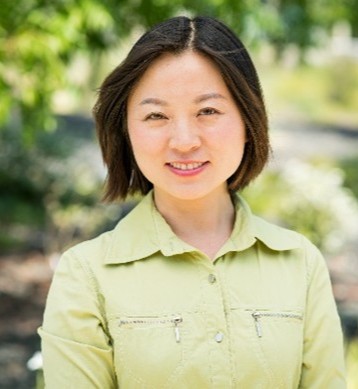
Title: Staff scientist, Lawrence Berkeley National Laboratory (LBNL), USA
About: Ning Sun is a staff scientist at the Advanced Biofuels and Bioproducts Process Development Unit (ABPDU) at Lawrence Berkeley National Laboratory (LBNL). She leads research and development projects that advance the conversion of renewable feedstocks into sustainable fuels, chemicals, and materials. Her work focuses on bridging fundamental research and industrial application through process design, optimization, scale-up, and techno-economic evaluation.
She has extensive experience in biomass fractionation, bioproduct recovery, and analytical characterization, as well as in developing integrated bioprocessing strategies to improve process efficiency. Ning’s research interests span three main areas: (1) lignocellulosic biomass conversion for biofuels and bioproducts, (2) plastic waste recycling and upcycling using biological and chemical approaches, and (3) resource recovery from wastewater and industrial residues.
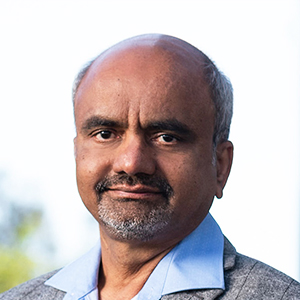
Title:Principal Consultant and Director ,Enpro Envirotech Pty Ltd,Australia
About:A highly experienced sustainability expert with 30 years of expertise in environmental management, circular economy, and resource recovery. Extensive global experience in India, Australia, and New Zealand, with a strong background in delivering keynote addresses, conducting international workshops, and presenting innovative technologies and at global seminars. Passionate about driving sustainable solutions through innovation, policy development, and capacity building.
Key Expertise :
Professional Experience :
Environmental & Sustainability Consultant 30+ years of experience across India, Australia, and New Zealand
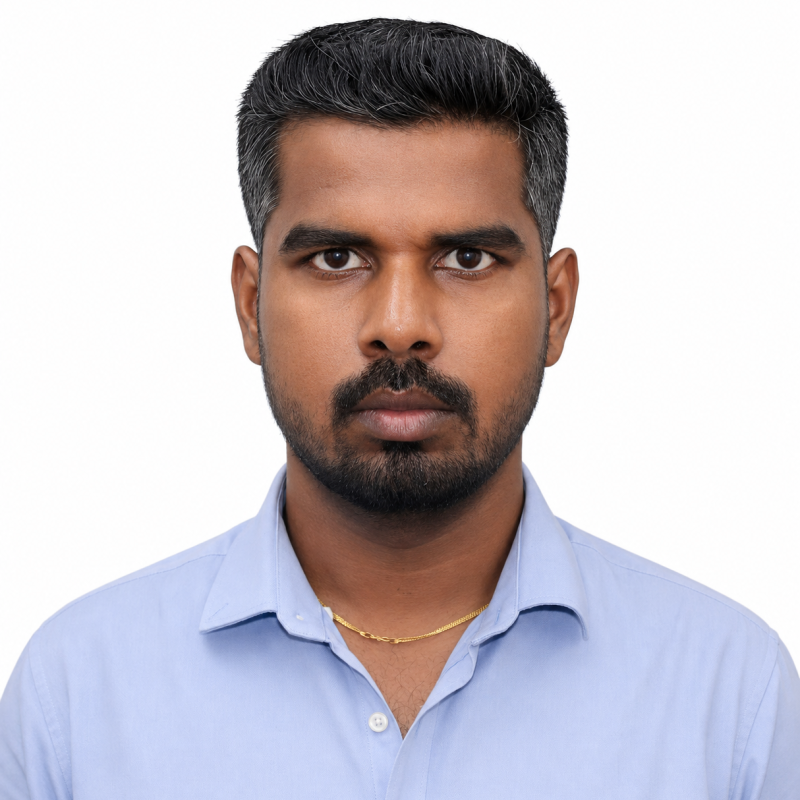
Title:Nanyang Technological University, Singapore
About:Dr. Krishnan Ravi is currently a Research Staff at Nanyang Technological University (NTU), Singapore. Prior to joining NTU, he completed a two year postdoctoral fellowship at Ruhr-Universität Bochum, Germany. He received his Bachelor’s degree in Chemistry from Bharathiar University and his Master’s degree in Chemistry from Madurai Kamaraj University, India. He earned a joint Ph.D. in Chemical Science and Applied Chemistry from the Academy of Scientific and Innovative Research (AcSIR), India, and RMIT University, Australia, in 2023. His research focuses on the design and development of heterogeneous catalysts based on carbon and silica materials for the valorization of biomass and CO2 into fuels, sustainable aviation fuel (SAF) precursors, and value-added chemicals. His work involves key catalytic transformations such as reductive amination, hydroxyalkylation/alkylation, selective aerobic oxidation, and hydroformylation. He also has expertise in the operation and optimization of batch and continuous-flow reactor systems for catalytic processes and biomass conversion. To date, he has published over 41 peer-reviewed international research articles and holds 1 granted patent, with 3 additional patents filed.
Title:Principal Consultant and Director ,Enpro Envirotech Pty Ltd,Australia
About:A highly experienced sustainability expert with 30 years of expertise in environmental management, circular economy, and resource recovery. Extensive global experience in India, Australia, and New Zealand, with a strong background in delivering keynote addresses, conducting international workshops, and presenting innovative technologies and at global seminars. Passionate about driving sustainable solutions through innovation, policy development, and capacity building.
Key Expertise :
Professional Experience :
Environmental & Sustainability Consultant 30+ years of experience across India, Australia, and New Zealand
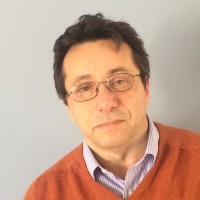
Title: Professor of Process Systems Engineering at the National Technical University of Athens & Leverhulme Trust Visiting Professor, Imperial College London, UK
About: Professor Kokossis holds a Diploma in Chemical Engineering from NTUA and a PhD from Princeton University. He returned to his alma mater in 2009 following an overseas academic career in UK at the University of Manchester (formerly UMIST). He holds expertise in process systems design and process integration, recently with a strong emphasis on renewable energy systems, process intensification and the design of biorefineries and industrial symbiosis networks. His research has addressed the design of multiphase reactors, complex separation and reactive-separation systems, energy and power networks, and environmental problems across a wide spectrum of applications (water reuse, recycle, and regeneration systems, wastewater management, gasification, waste to energy projects). He has established collaboration with several industrial companies (UOP, ICI, Bayer, Mitsubishi, Exxon, Eastman, MW Kellogg, BP Oil, Unilever, Chimar, BPF, CIMV, DSM, Arkema, Granherne, Linnhoff-March) and graduated 28 PhD and 50 MSc students. He holds over 300 communications in international conferences, and 80 invited lectures in conferences universities, and multinational companies. He is National Representative of the International Energy Agency (IEA), the National Representative of the IBISBA EU research infrastructure on Industrial Biotechnology, the Greek Secretary for Research and Technology in Climate Change (GSRT), and the Computer Aided Process Engineering (CAPE) Group of the European Federation of Chemical Engineering (EFCE). Since 2020 he is the scientific director of Symbiolabs, a spin-off company that relies on AI and data technologies to promote renewable applications and social engagement in the context of circular economy.
He is founder and Chair of the Sustainability Section at EFCE and an elected member of the Executive Board of Trustees at the European Federation of Chemical Engineering (EFCE).
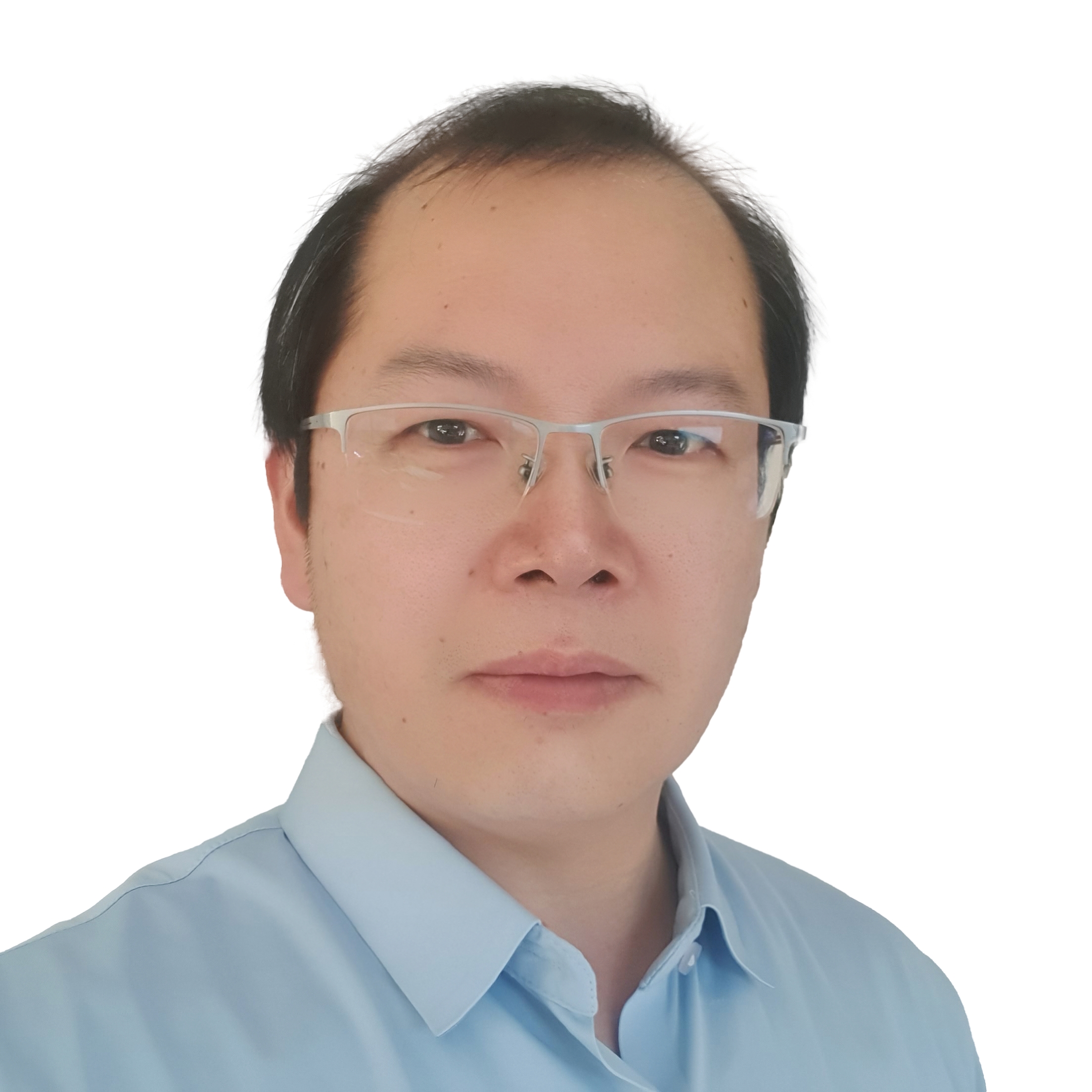
Title: Assistant Professor, UCD School of Civil Engineering, Ireland
About: Dr Yuansheng Hu is an Assistant Professor in the UCD School of Civil Engineering. His primary teaching and research area is Water and Environmental Engineering. Dr. Hu joined the School of Civil Engineering as an Assistant Professor in July 2023. Prior to that, he was a faculty member at the Department of Civil Engineering & Construction, Atlantic Technological University Sligo (2022-2023). Dr. Hu also worked as a faculty member at the Department of Municipal Engineering, Beijing University of Civil Engineering and Architecture (2012-2017). Dr. Hu’s research interests include:
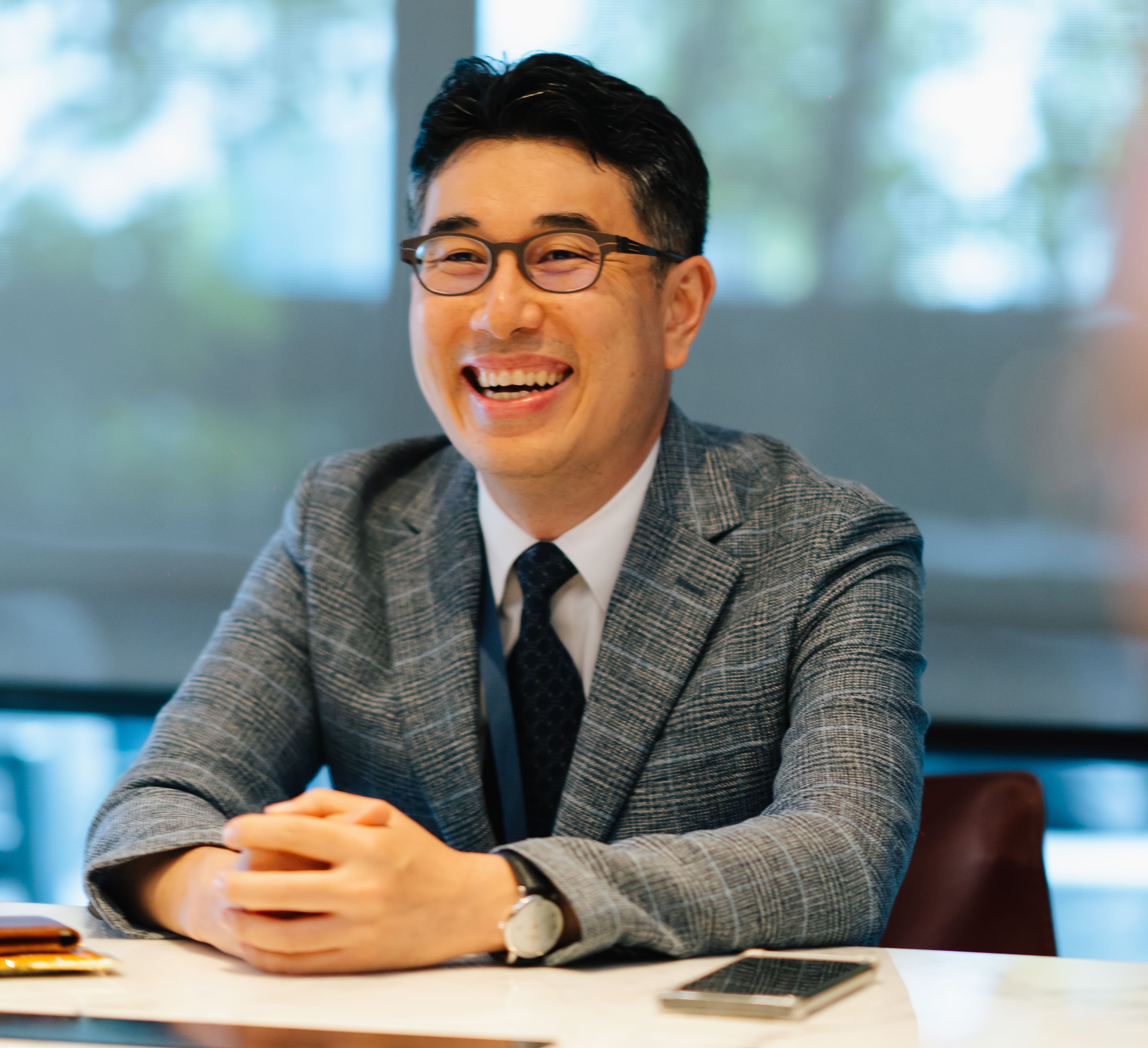
Title:Professor, Korea University , President of the International ESG Association, South Korea
About:Professor Yong Sik Ok is a Full Professor in the Division of Environmental Science and Ecological Engineering at Korea University and President of the International ESG Association. He has been ranked as the world’s No. 1 environmental scientist by multiple global evaluation bodies, including ScholarGPS. His research spans climate change, soil biodiversity, and ESG management, conducted through a highly interdisciplinary approach. He has authored landmark publications in leading journals including Nature, Science, Nature Water, Matter (Cell Press), Nature Sustainability, Nature Reviews Earth & Environment, Nature Protocols, Nature Reviews Bioengineering, and Environmental Science & Technology. In 2019, he became the first Korean scholar to be named a Highly Cited Researcher (HCR) in the field of environmental ecology. In 2022, he achieved a world-first distinction by being simultaneously recognized as an HCR across environmental ecology, engineering, and biology/biochemistry.
Professor Ok previously served as President of the U.S.-based international society International Society of Trace Element Biogeochemistry (ISTEB). As Program Director of the Association of Pacific Rim Universities (APRU), he has led large-scale international research initiatives addressing global environmental challenges in collaboration with the world’s top universities, including Stanford University. He is also the Korean partner of the Planetary Health Alliance (PHA), the world’s largest academic–policy collaboration launched at Harvard University and has spearheaded the establishment of the Korea headquarters of the Climate Governance Initiative in partnership with the University of Cambridge and Deloitte.
Currently, Professor Ok focuses on translating ESG management and sustainability science into corporate strategy and public policy. He has delivered ESG strategy lectures and provided executive advisory services to CEOs and CFOs of major global corporations, including Shinhan Financial Group, Samsung Electronics, LG, and POSCO. At Korea University Business School, he founded MBA and EMBA courses titled “Business and the Environment,” contributing to the training of next-generation ESG leaders. He also leads national-level research to establish ESG evaluation criteria and methodologies for Korea’s top 200 corporations.
Through extensive international collaborations, Professor Ok is conducting large-scale field research on biochar-based climate change mitigation technologies and solutions to plastic pollution. In collaboration with Stanford University, he recently developed ESG evaluation indicators related to corporate water use for leading global companies, with the results accepted in Nature Water. His work exemplifies integrative scholarship bridging science and engineering with the humanities and social sciences.
Professor Ok has accumulated over 133,750 citations, with an h-index of 188, and has received more than 105 Highly Cited Papers (HCPs). His annual citation rate has exceeded 20,000 citations per year consistently over the past four years (2022–2025), underscoring his sustained global impact and leadership in environmental and sustainability science.
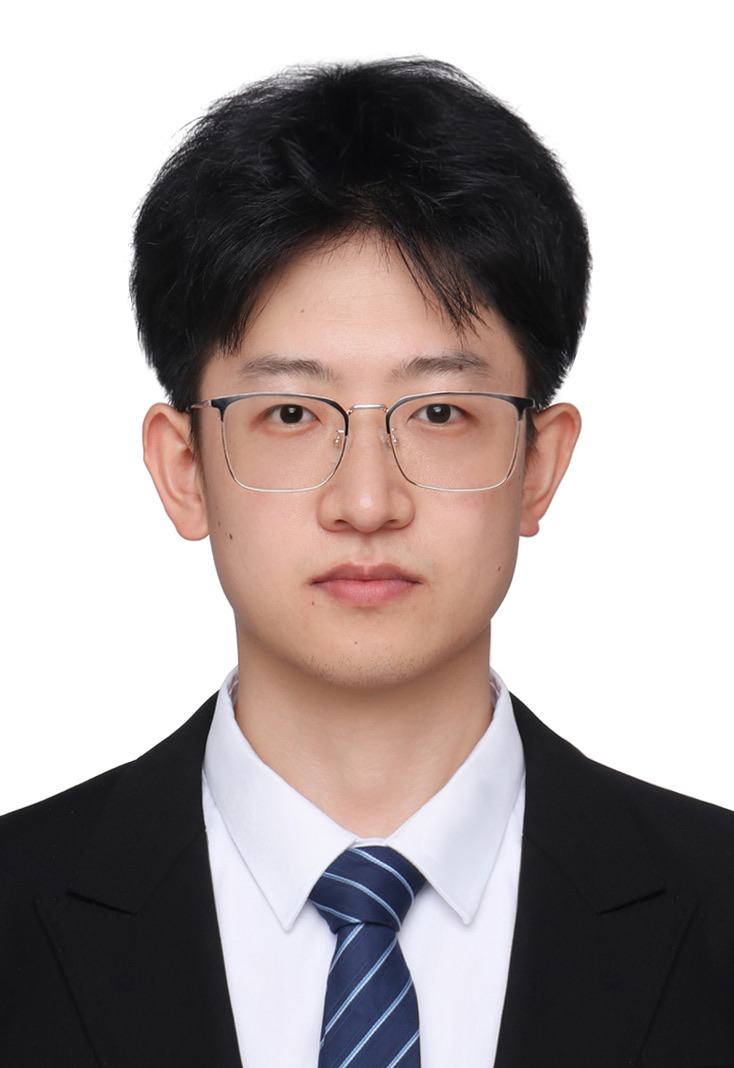
Title:Assistant Professor, Division of Environmental Science and Ecological Engineering, Korea University, South Korea
About:Bin Cao is an Assistant Professor in the Division of Environmental Science and Ecological Engineering at Korea University. His research bridges biomass thermochemical conversion, biochar environmental applications, and AI-empowered life cycle assessment (LCA). His early work established biochar-based catalytic systems for monophenol and bio-aromatic recovery from lignocellulosic feedstocks, while his current research develops dynamic LCA frameworks for time-explicit biochar carbon accounting and AI-driven environmental governance architectures. He has published 59 SCI-indexed papers (WoS h-index 28; Google Scholar h-index 31, >2,500 citations). He serves as Programme Director of the International Association for Biohydrogen and Early Career Advisory Board member of the Journal of Analytical and Applied Pyrolysis. He is also a recipient of the Jiangsu Funding Program for Excellent Postdoctoral Talent and the Korea University Research Faculty Support Project.
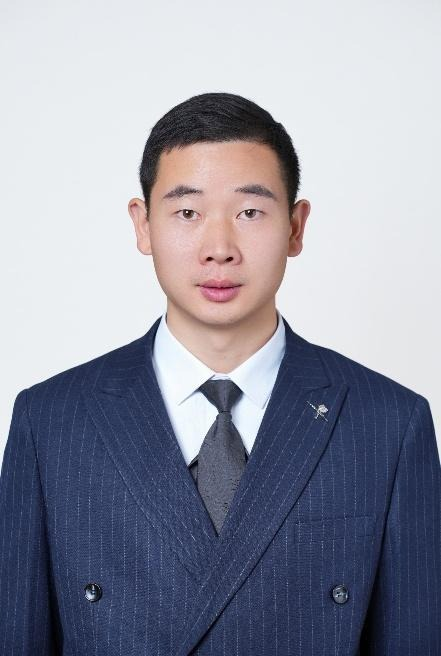
Title: Professor, Zhengzhou University , China
About:Chongqing Wang is a professor of Zhengzhou University, China. He obtained a PhD degree in Chemical Engineering and Technology from Central South University, China (2017). He is a Visiting Scholar (2025-2026) at Korea University, Korea. His research field focuses on sustainable waste management. He has published over 100 research papers, with H index 56 (Google Scholar). He has obtained 18 Chinese licensed patents and 3 intentional licensed patents, and published 3 books and 6 book chapters. He is the Highly Ranked Scholar by ScholarGPS, and the Top 2% Scientists Worldwide by Stanford University & Elsevier. He has been serving as Associate Editor of International Journal of Environmental Science and Technology, and editorial board member of Sustainable Horizons and Scientific Reports. He led numerous research projects, including the National Natural Science Foundation of China (NSFC) and the National Key R&D Program of China.
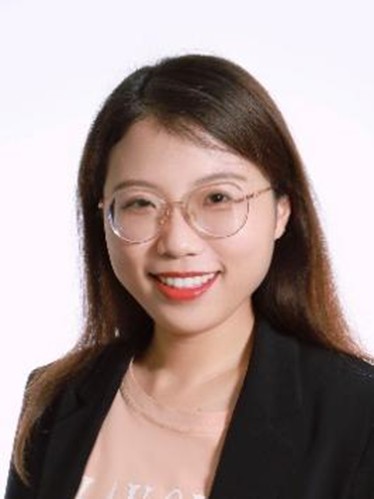
Title: Associate Research Professor, Harbin Institute of Technology , China
About:Dr. Wang is an Associate Research Professor and Master's Supervisor at School of Environment, Harbin Institute of Technology, China. Her research focuses on low-carbon treatment and resource recovery of organic wastewater and biomass. She has led eight national and provincial-level research projects, including those funded by the National Natural Science Foundation of China (NSFC) and the National Key R&D Program. In the past five years, she has published twenty papers in high ranked SCI journals, including Nature Communications and Water Research. She also serves as a reviewer for multiple SCI journals (such as Nature Communications and Water Research, et al).
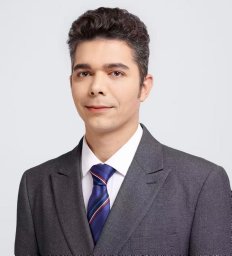
Title: Associate Professor, Jiangnan University, China
About: Meysam Madadi is an Associate Professor at the School of Biotechnology, Jiangnan University, China, and an Adjunct Professor at Diponegoro University, Indonesia. He has more than ten years of academic and research experience in China and was granted Chinese permanent residency through the talentcategory pathway. His research focuses on green lignocellulose fractionation, cellulose utilization, catalytic lignin conversion, and integrated biorefineries. He combines experiments with machine learning, DFT/MD modeling, and life-cycle assessment to develop efficient routes to biofuels, platform chemicals, renewable aromatic compounds, and functional biobased materials. Dr. Madadi received his Ph.D. in Biomass and Bioenergy Science from Huazhong Agricultural University and completed postdoctoral research at Jiangnan University. He has published 80 peer-reviewed papers, with one additional paper forthcoming, in journals including Nature Food, Advanced Composites and Hybrid Materials, Advanced Science, Journal of Energy Chemistry, Chemical Engineering Journal, Green Chemistry, Energy, and Bioresource Technology. His publications have received 2,635 citations, with an h-index of 32 (Google Scholar, July 2026). His major contributions include recyclable acid/pentanol biphasic fractionation; machinelearning-guided reductive catalytic fractionation for lignin-monomer production; lignin-first and organosolv routes for aromatic bio-oil, biochar, nanomaterials, and composite reinforcements; and mechanistic interpretation of lignin/xylan dissolution and lignin-cellulase interactions. He has also integrated environmental and economic assessment into biomass valorization to support scalable circularbiorefineries. Dr. Madadi is the principal investigator of the National Natural Science Foundation of China Foreign Young Investigator Program and two institutional research projects, and serves as the Sino-Iran bilateral coordinator of an NSFC international cooperative project. He also participates in an NSFC Regional Joint Fund Key Support Project and an NSFC General Program. His honors include Excellent Researcher at Jiangnan University, the Jiangsu 333 High-Level Talent Cultivation Project, Excellent Young Researcher, Excellent Postdoctoral Fellow of Jiangsu Province, and Excellent Ph.D. Dissertation. He is a Youth Editorial Board Member of the Journal of Wood and Forest Science and Technology, a Guest Editor for a Catalysts special issue, and an editor of the Elsevier book LigninDriven Advanced Materials: The State-of-the-Art. He has completed peer-review assignments for more than 40 international journals, including Nature Food, Nature Communications, Advanced Science, Journal of Energy Chemistry, Journal of Bioresources and Bioproducts, Green Chemistry, and Chemical Engineering Journal. Across his current portfolio, he has secured or contributed to competitive projects totaling more than RMB 5.4 million as principal investigator, bilateral coordinator, or key participant. His teaching includes Cell Biology and Genetic Engineering for postgraduate international students through English-medium instruction. He currently supervises or co-supervises three master's students, three Ph.D. students, three visiting Ph.D. students, and two postdoctoral researchers, including both Chinese and international researchers. Dr. Madadi is an inventor on three Chinese patents covering enhanced ethanol production from lignocellulose, nanocellulose composite films, and amino-acid-assisted biomass pretreatment. In addition to editing the Elsevier volume on lignin-driven advanced materials, he has contributed chapters on lignin fractionation, higher-alcohol production, and life-cycle assessment of biomass-derived energy. He maintains active collaborations with research groups in China, Iran, Indonesia, Belgium, India, Egypt, and other countries and contributes to international manuscript development, researcher mentoring, special-issue organiz
.png)
Title: Business Development Director, Haskoning, Australia
About: Miro Moss brings over 20 years of experience across oil & gas, renewable energy, and clean fuels, with a strong focus on project development and commercialisation across APAC. Based in Australia, he leads new energy business development at Haskoning, supporting clients from early-stage strategy through to bankable project delivery.
He is actively involved in large-scale renewable energy, hydrogen, and clean fuel projects, working with developers, governments, and investors to unlock commercially viable outcomes. Miro also brings deep knowledge of international frameworks such as RFNBO, H2Global, CBAM, and Guarantee of Origin, helping bridge global market requirements with local project execution.
He is passionate about positioning Australia and Oceania as key suppliers in the global energy transition.
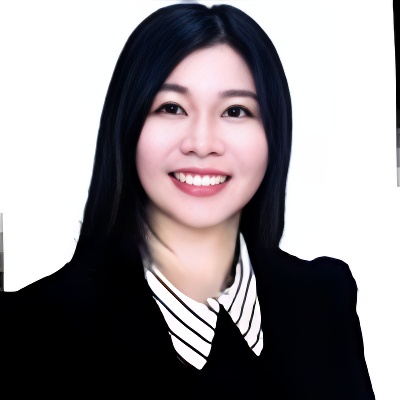
Title: Scientist, Agency for Science, Technology and Research (A*STAR), Singapore
About: Dr. Gillian Goh is currently a Scientist and Principal Investigator at Agency for Science, Technology and Research (A*STAR), Institute of Sustainability for Chemicals, Energy and Environment (ISCE2), Singapore. She was awarded the International Relations A*STAR (Singapore), Commonwealth Scientific and Industrial Research Organization CSIRO (Australia) Research Industry Partnership Program grant, the 2nd and 3rd National Super Computing Centre Young Investigator Seed project (NSCC YISP) in 2025 and 2026 respectively to work on cost effective and scalable low carbon technologies to produce synthetic fuels and chemicals from waste upcycling. She authored 8 patents and technology disclosures in the field of waste to fuels and chemicals. She graduated from NTU Chemistry and Biological Chemistry with a specialization in medicinal chemistry (2016) and a Ph.D. in Chemistry and Biological Chemistry (2021).



